ASSOC. COMPANY
September 2026
What the 1976 Philadelphia outbreak still teaches us today
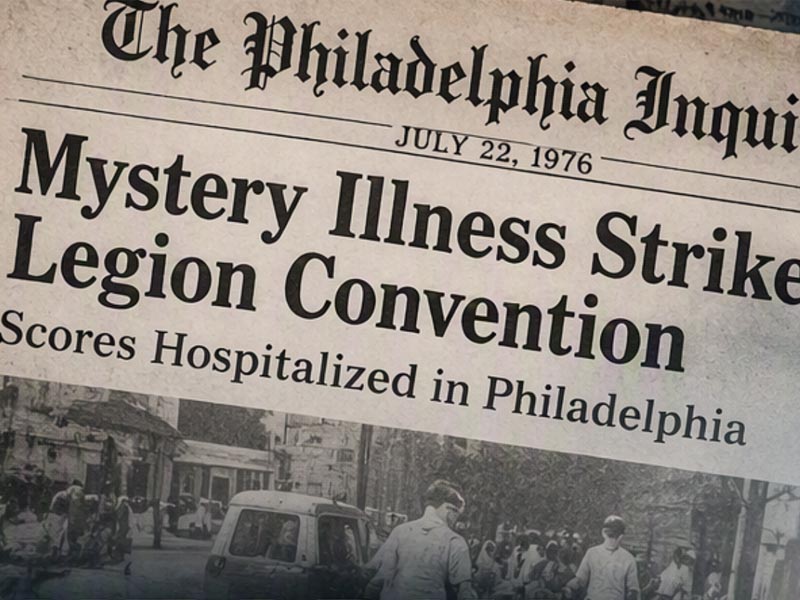
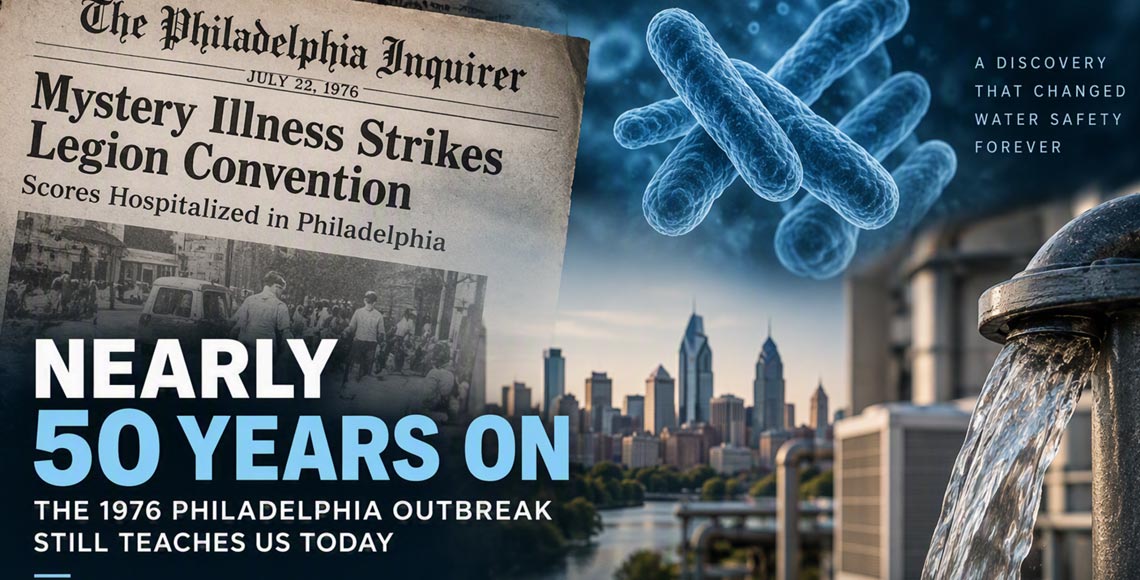
In July 1976, attendees at an American Legion convention in Philadelphia began falling seriously ill with a mysterious pneumonia-like illness. Investigators eventually identified a previously unknown bacterium, later named Legionella pneumophila, as the cause.
The incident would become known as the Philadelphia Legionnaires' Disease outbreak, leading to the discovery of Legionella and transforming how buildings manage water systems around the world.
Almost 50 years later, the risk has not disappeared.
Legionella bacteria can develop in man-made water systems including hot and cold water networks, cooling towers, spas, and storage tanks. Without effective monitoring, maintenance, and control measures, buildings can unknowingly create conditions where bacteria can multiply.
The good news is that Legionella is preventable. Through robust risk assessments, regular monitoring, temperature control, cleaning, disinfection, and effective water management programmes, organisations can significantly reduce their risk and meet their legal obligations.
As we approach half a century since the Philadelphia outbreak, it serves as an important reminder that good water hygiene is not just about compliance. It's about protecting building users, employees, visitors, patients, residents, and the wider public.
Is your water system protected?
Whether you're responsible for a healthcare facility, school, office, industrial site, or residential property, now is a good time to review your Legionella control measures.